Blogs

Ultimate Guide to Australian Mushroom Foraging

Ultimate Guide to Australian Mushroom Foraging

There are few things more rewarding than heading into the bush after a few days of rain and discovering mushrooms pushing through the forest floor. Australian mushroom foraging is equal parts adventure, science, and treasure hunt. But it's also a hobby that demands respect—because while some mushrooms are delicious, others can make you seriously ill.

Whether you're hoping to find gourmet edible mushrooms or simply want to learn more about Australia's incredible fungi, this guide will give you a solid place to start.

Notable Wild Mushrooms Found in Australia

Australia is home to thousands of fascinating fungi, from prized edible species to beautiful native mushrooms and several psychoactive species. Correct identification is essential, as many mushrooms have dangerous lookalikes.

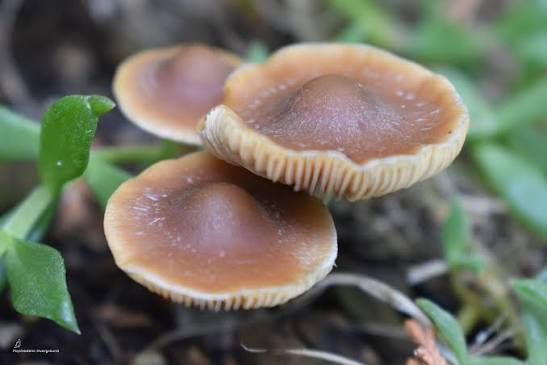
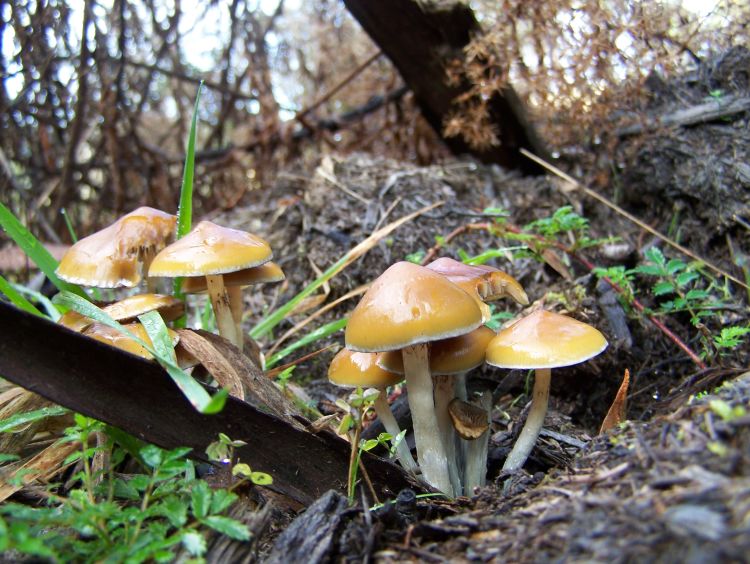
Psilocybe subaeruginosa

Often considered Australia's best-known native psychoactive mushroom, Psilocybe subaeruginosa is most commonly associated with the cooler regions of Victoria, Tasmania, southern New South Wales, South Australia, and parts of southern Western Australia. It typically fruits during the cooler months after sustained rainfall and grows on decomposing wood, wood-chip mulch, and forest debris.

Because several toxic mushrooms can appear similar, visual identification alone should never be relied upon.

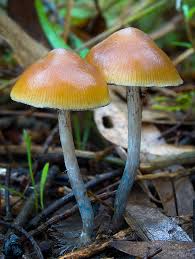
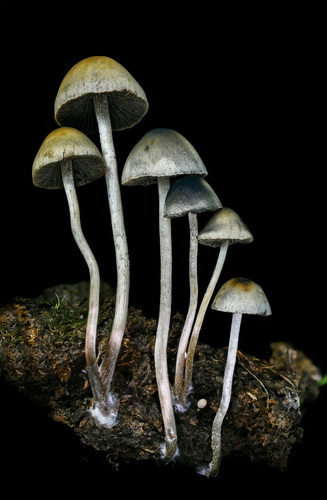
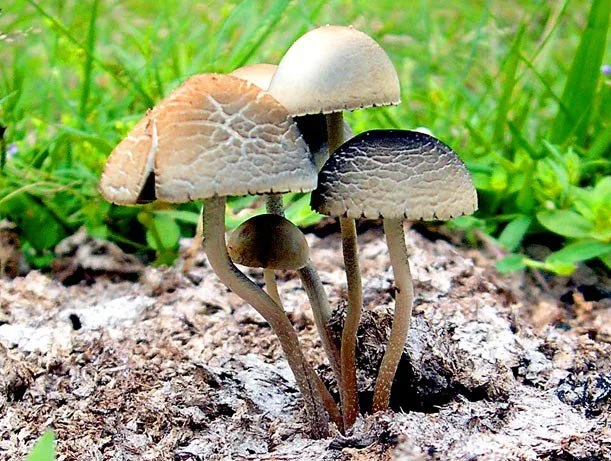
Panaeolus cyanescens (Blue Meanies)

Panaeolus cyanescens, commonly known as Blue Meanies, is a tropical and subtropical species found in warmer parts of Australia. It is most commonly associated with Queensland and northern New South Wales and naturally grows on or around the dung of grazing animals during the wet season.

Although relatively small, this species can easily be confused with numerous other little brown mushrooms, making accurate identification challenging.

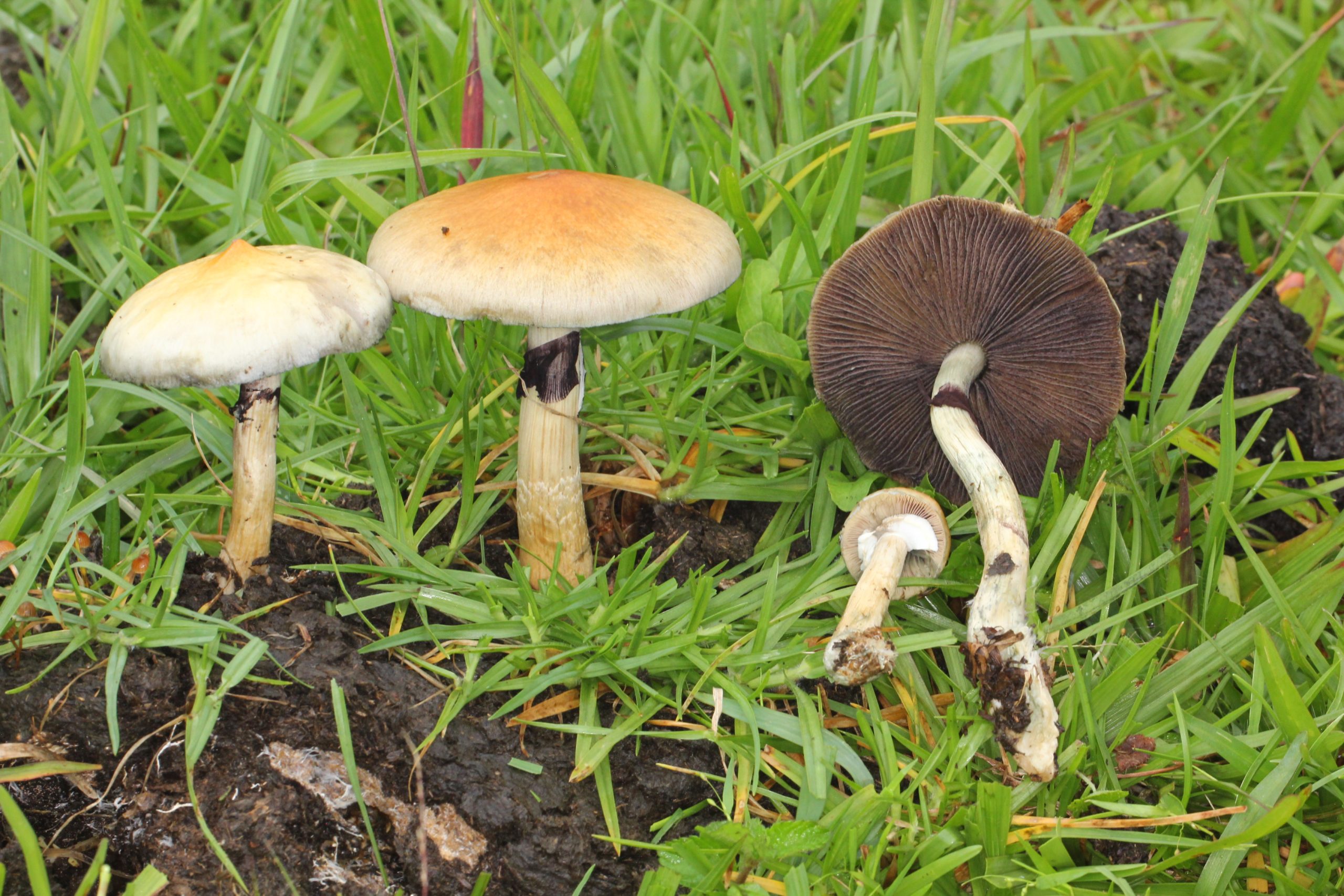
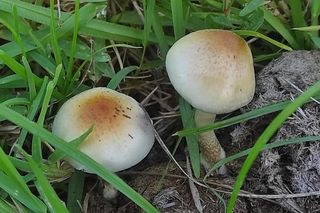
Psilocybe cubensis (Golden Tops)

Known by many Australians as Golden Tops or Gold Tops, Psilocybe cubensis is primarily found throughout tropical and subtropical northern Australia, particularly across parts of Queensland and the Northern Territory. Like P. cyanescens, it is typically associated with cattle pastures during warm, humid conditions following rainfall.

Why Go Mushroom Foraging?

Foraging reconnects you with nature in a way that few hobbies can. It slows you down, teaches observation, and helps you appreciate the hidden world beneath your feet. Every walk becomes an opportunity to discover something new.

Australia is home to thousands of mushroom species, with new ones still being identified every year. From towering boletes to bright orange fungi and tiny delicate mushrooms growing on fallen logs, there's always something fascinating waiting to be found.

Interested in growing your own mushrooms from home? MycoMind provides beginner friendly Grow Kits and much more so you can grow with confidence.  

When is Mushroom Season in Australia?

The best time to forage depends on where you live, but generally:

  • Autumn (March–June): Peak mushroom season across southern Australia.
  • Winter (June–August): Great conditions continue in cooler regions.
  • After steady rainfall: Mushrooms often appear within a few days of consistent rain followed by mild temperatures.

Cool, damp weather is your best friend.

Where to Find Wild Mushrooms

Different species grow in different environments, but some of the best places to search include:

  • Native eucalyptus forests
  • Pine plantations
  • Wet gullies
  • Mossy creek lines
  • Decaying logs and fallen timber
  • Grassy parks and paddocks (depending on species)

One of the biggest secrets of experienced foragers? If you find mushrooms in a location once, there's a good chance they'll return in future seasons.

Essential Mushroom Foraging Gear

You don't need expensive equipment to get started.

Bring:

  • A basket or breathable bag
  • Small knife
  • Soft brush for cleaning
  • Camera or smartphone
  • Notebook (optional)
  • Waterproof boots

Avoid plastic bags, as they trap moisture and quickly damage fresh mushrooms.

The Golden Rule: Never Eat a Mushroom You're Not 100% Sure About

This can't be stressed enough.

Many poisonous mushrooms closely resemble edible species, and some deadly mushrooms have caused serious poisonings in Australia.

If there is any doubt, leave it in the ground.

Even experienced foragers regularly double-check their finds using multiple identification resources.

Learn the Common Australian Species

Instead of trying to identify every mushroom you see, focus on learning one species at a time.

Start with common edible mushrooms found in Australia, then gradually expand your knowledge as your confidence grows.

The more species you learn, the easier identification becomes.

Respect Nature

Good foragers leave very little trace.

Follow a few simple principles:

  • Only collect what you'll actually use.
  • Leave young mushrooms to mature.
  • Avoid damaging surrounding habitat.
  • Don't disturb wildlife.
  • Leave plenty behind for nature to reproduce.

Remember—you aren't the only one enjoying the forest.

Join the Mushroom Community

One of the fastest ways to improve your identification skills is by learning from others.

Australia has fantastic mushroom identification groups, local mycology clubs, and online communities where experienced foragers regularly share finds and help identify species.

Just remember that online identifications should never be your only source when determining whether a mushroom is safe to eat.

Curious to learn more about fungi? Explore our extensive Mushroom Growing Guide, browse beginner-friendly Mushroom Grow Kits, or discover the fascinating world of fungi through our growing library of cultivation and foraging resources.

Thanks for reading, and I hope you found this guide helpful. At MycoMind, we're passionate about making mushroom growing, foraging, and fungi education accessible to every Australian.

Leave a Reply

Your email address will not be published. Required fields are marked *