Blogs

The History of Psilocybin Mushrooms

The History of Psilocybin Mushrooms: From Ancient Rituals to Modern Curiosity

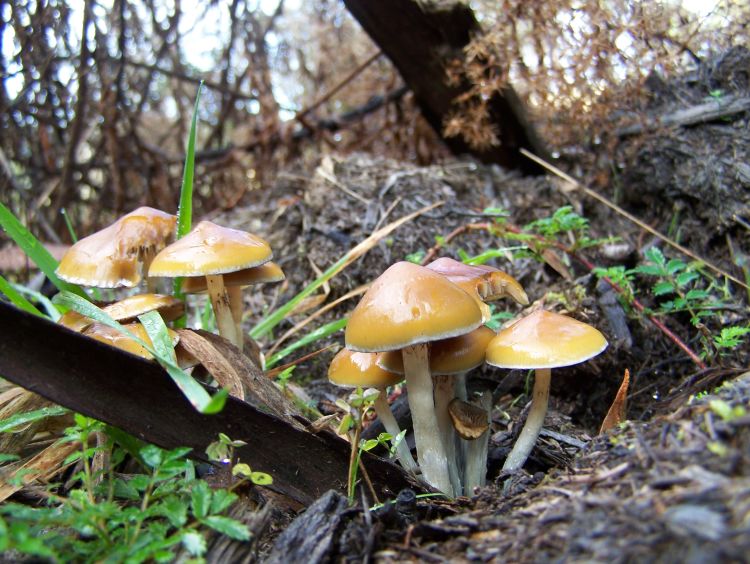
Long before smartphones, coffee, or even written language, humans were already fascinated by mushrooms. While most people looked at fungi and wondered, "Can I eat that?" there were others asking much bigger questions. Psilocybin mushrooms have quietly woven themselves through human history for thousands of years, appearing in ancient ceremonies, hidden traditions, and now, cutting-edge scientific research. Not bad for something that grows out of the forest floor.

Ancient Origins

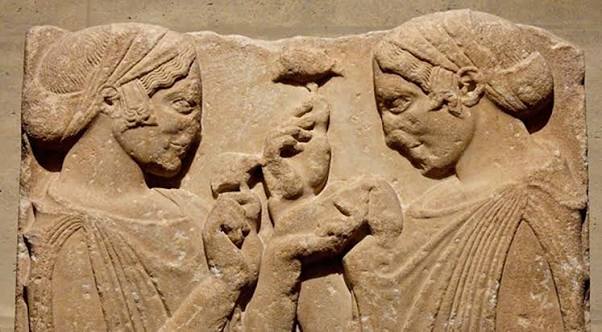
The story begins thousands of years ago. Archaeological evidence suggests that naturally occurring psilocybin mushrooms were used in ceremonial and spiritual practices as far back as 5,000–7,000 years ago. Ancient rock art discovered in regions of North Africa and Europe appears to depict mushroom-like figures, although historians still debate exactly what these paintings represent. (History is a little frustrating like that.)

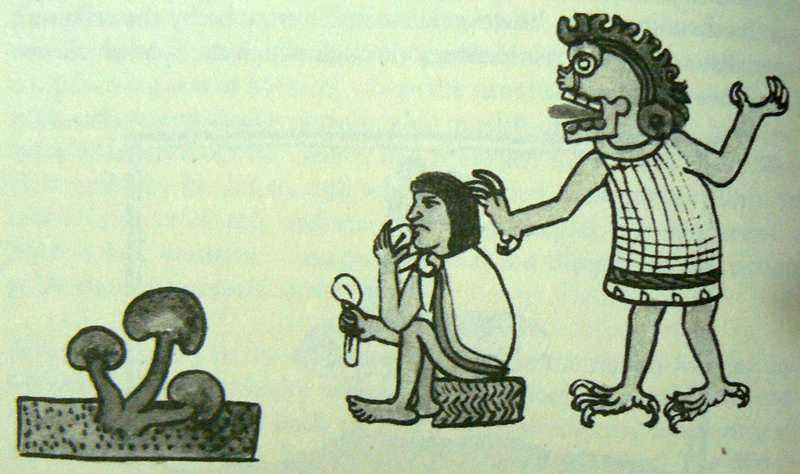
What we do know with much greater certainty is that many Indigenous cultures in Central and South America developed rich traditions surrounding these remarkable fungi. For communities such as the Mazatec, Mixtec, Nahua, and Zapotec peoples of present-day Mexico, mushrooms weren't simply "magic"—they were sacred tools used during ceremonies, healing rituals, and spiritual guidance.

The Aztecs even had a name for them: teonanácatl, often translated as "the flesh of the gods." That's a title that certainly beats "fungi."

Interested in growing your own mushrooms from home? MycoMind provides beginner friendly Grow Kits and much more so you can grow with confidence.  

Hidden in Plain Sight

Following the Spanish conquest of the Americas in the 1500s, many Indigenous ceremonies involving psilocybin mushrooms were suppressed. European missionaries viewed these traditions through a religious lens and discouraged or outright banned many ceremonial practices.

Despite centuries of pressure, the knowledge never completely disappeared.

Instead, it quietly survived within Indigenous communities, passed from one generation to the next. While much of the Western world forgot about psilocybin mushrooms entirely, these ancient traditions continued behind the scenes, patiently waiting to be rediscovered.

The West Discovers Mushrooms Again

Fast forward to the 1950s.

American banker and amateur mycologist R. Gordon Wasson traveled to Oaxaca, Mexico, where he participated in a traditional mushroom ceremony led by Mazatec healer María Sabina. His experience was later published in Life magazine in 1957 and introduced millions of readers to psilocybin mushrooms for the very first time.

The article sparked enormous curiosity.

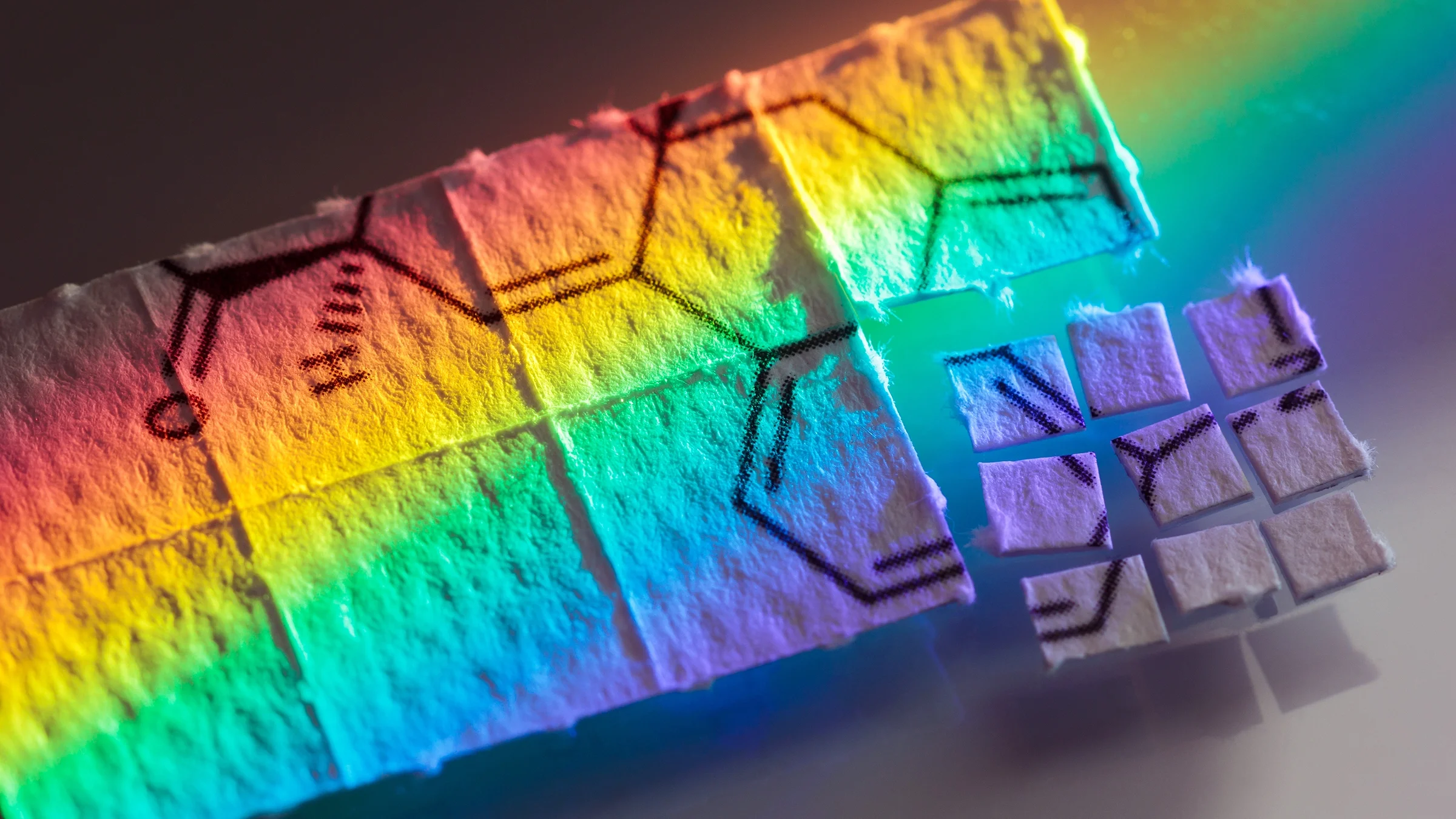
Scientists began studying the active compounds, and Swiss chemist Albert Hofmann—already famous for synthesizing LSD—successfully isolated and synthesized psilocybin in 1958.

For a brief period, researchers around the world explored psilocybin's potential in psychology and psychiatry. It was an exciting chapter that hinted there was still much to learn about the human mind.

The Psychedelic Pause

The cultural revolution of the 1960s dramatically changed public perception of psychedelics.

As recreational use increased alongside broader social movements, governments introduced increasingly strict drug laws. By the early 1970s, research into psilocybin had largely come to a halt in many countries.

It's a reminder that science doesn't always move in a straight line. Sometimes curiosity takes a detour.

A Modern Renaissance

Over the past two decades, interest in psilocybin has returned in a big way.

Researchers at leading universities have resumed carefully controlled studies exploring how psilocybin interacts with the brain, consciousness, and mental health. While research is still ongoing, the scientific community has become increasingly interested in understanding both its neurological effects and its historical significance.

At the same time, mycology has experienced an explosion in popularity. More people than ever are learning about fungi—not just psilocybin species, but gourmet mushrooms, medicinal mushrooms, and the incredible underground mycelium networks that help keep forests alive.

It's safe to say mushrooms are finally getting the appreciation they've quietly deserved all along.

More Than Just a Mushroom

Whether you're fascinated by ancient civilizations, passionate about fungi, or simply curious about the natural world, the history of psilocybin mushrooms is undeniably fascinating. Their story stretches across continents, cultures, religions, and thousands of years, connecting Indigenous wisdom with modern scientific curiosity.

One thing is certain: mushrooms have been surprising humans for a very long time.

And if history has taught us anything, it's probably this—never underestimate the strange little things growing in the forest after a good rain.

Curious to learn more about fungi? Explore our extensive Mushroom Growing Guide, browse beginner-friendly Mushroom Grow Kits, or discover the fascinating world of fungi through our growing library of cultivation and foraging resources.

Thanks for reading, and I hope you found this guide helpful. At MycoMind, we're passionate about making mushroom growing, foraging, and fungi education accessible to every Australian.

Leave a Reply

Your email address will not be published. Required fields are marked *